What a proper repair turnaround should actually look like
Most delays happen before a technician ever touches the instrument. Here is where the time really goes on a typical repair ticket.

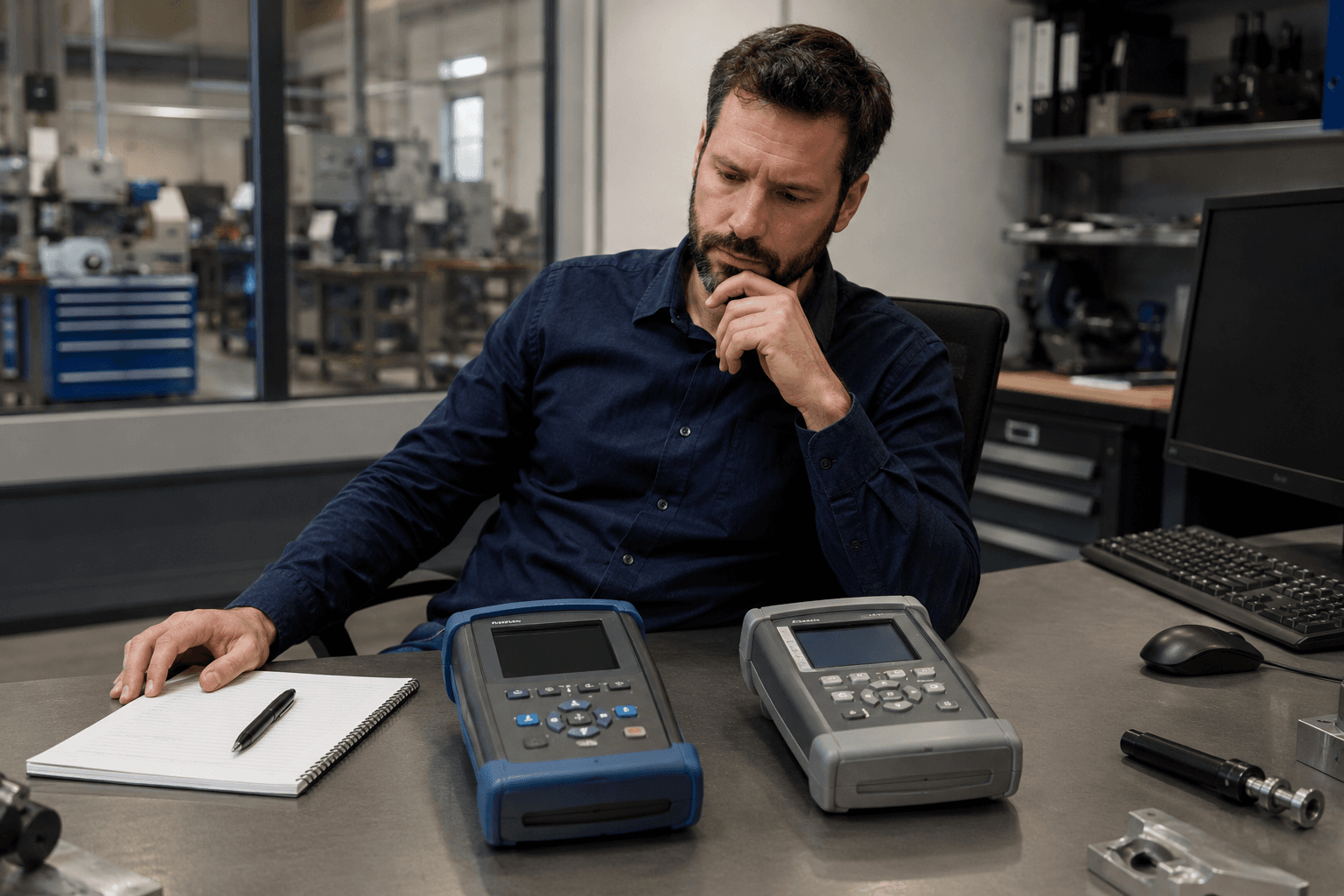
When a client calls about a repair that is taking too long, the instrument itself is rarely the reason. Most of the delay happens before a technician ever opens the case. It sits in intake, waiting on a purchase order, or waiting on someone to confirm which model was actually shipped.
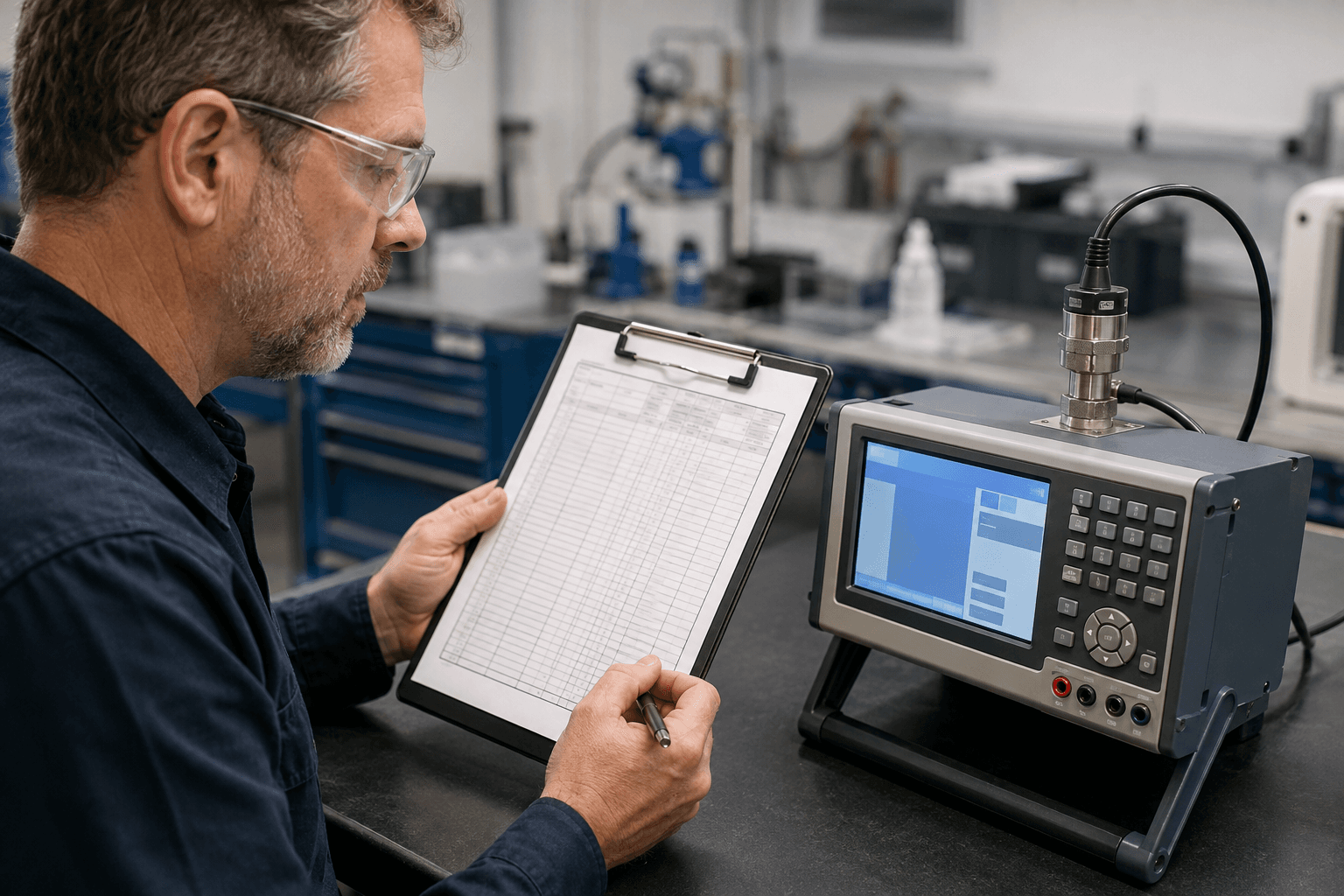
A repair ticket that moves well starts with a real diagnosis on day one, not day five. Our bench team logs the fault, photographs the unit, and calls the client with a plain estimate before any part gets ordered. That single call removes most of the back and forth that stretches a four day repair into a three week one.
The second checkpoint is parts. We stock the fast moving components for every principal we represent, so a worn sensor or a cracked housing rarely waits on a supplier. When a part does need to be sourced, we tell the client immediately instead of letting the ticket sit quietly.
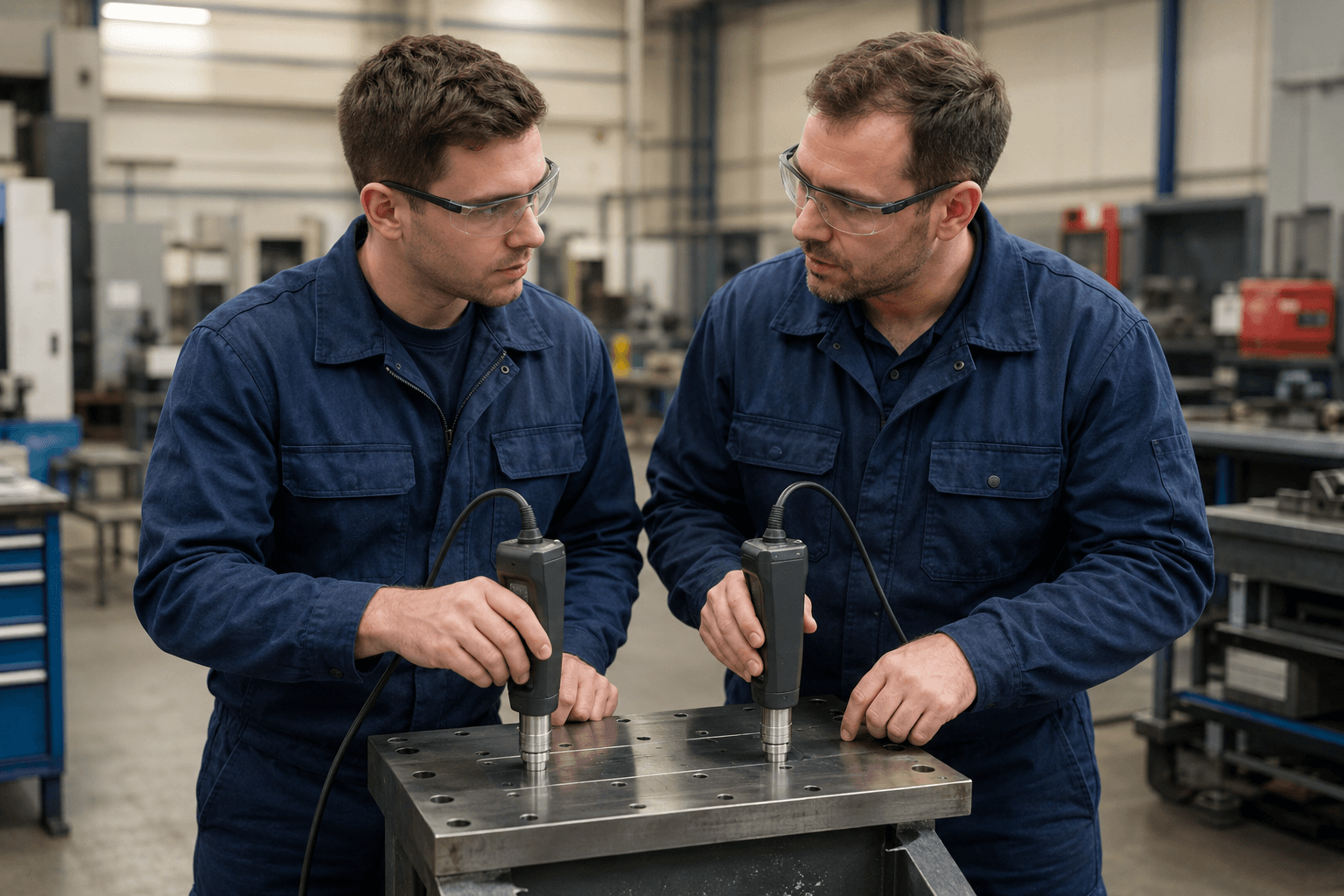
The third checkpoint is the bench work itself, and this is the part clients notice least because it usually goes right. A technician who works on one manufacturer's equipment daily can often finish in an afternoon what would take a generalist a week of trial and error.
None of this requires new technology. It requires someone answering the phone on day one, keeping the right parts on a shelf, and assigning the ticket to an engineer who has actually opened that model before. That is the whole method.