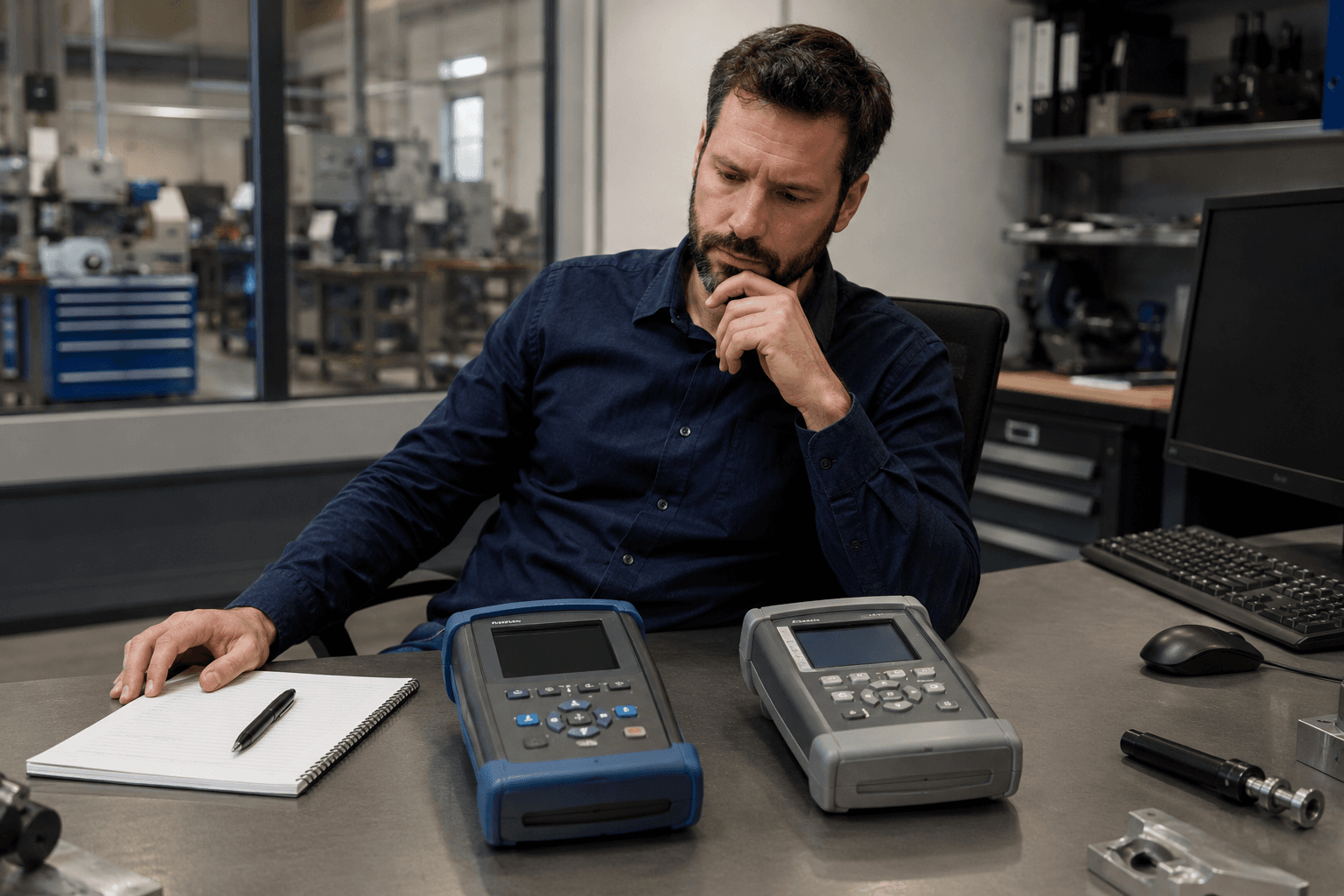
What actually happens during a calibration audit
A walkthrough of what auditors check first and where most teams lose points.
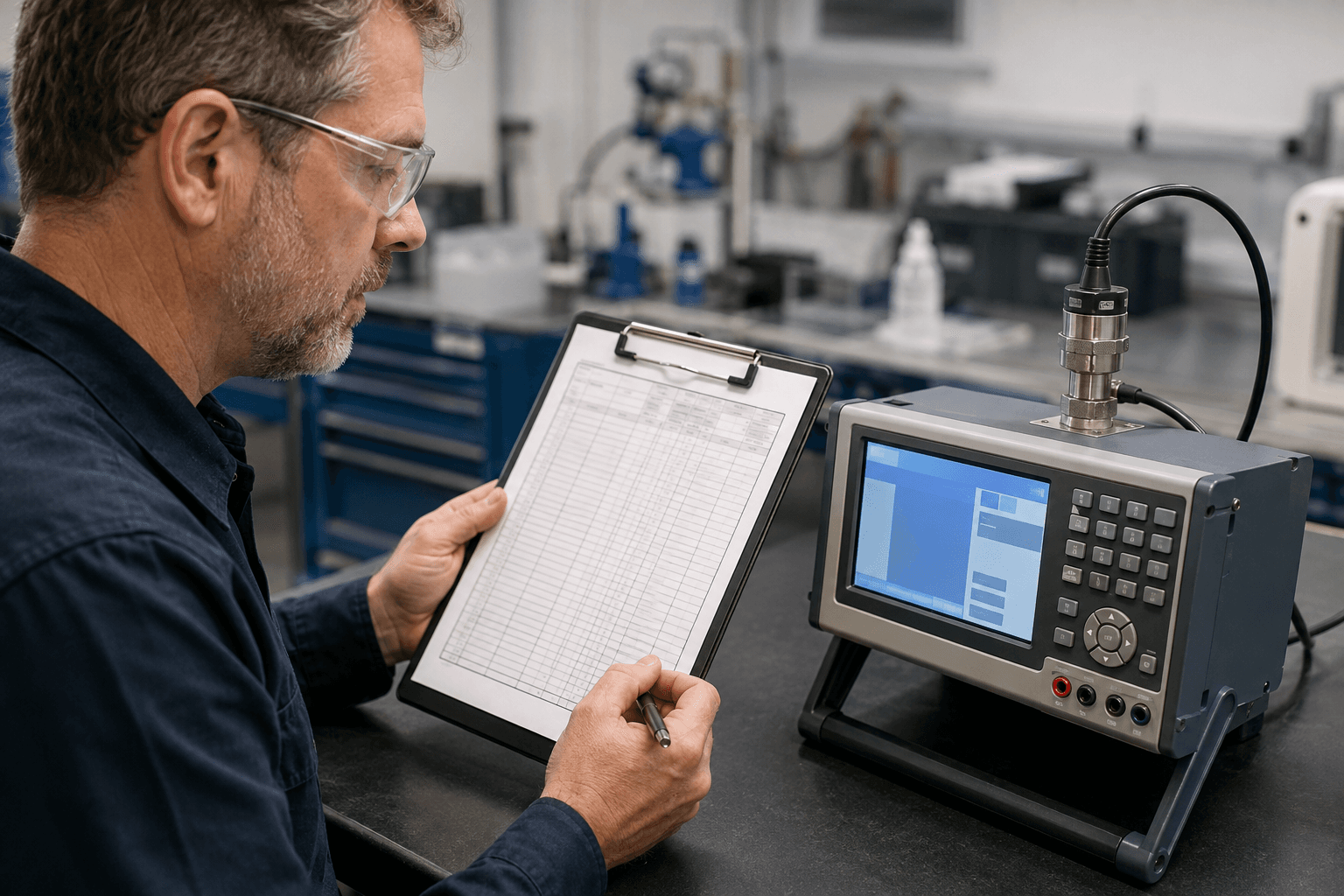
Most teams treat a calibration audit as a paperwork exercise until the week before it happens. By then it is too late to fix the pattern an auditor is actually looking for, which is not a single missing certificate but a gap in the schedule that repeats.
An auditor typically starts with the calibration log for your highest risk instruments, not all of them. They check the interval against your own documented policy, then check whether the certificate on file traces back to a recognized national standard rather than an internal reference alone.
The point where most teams lose ground is consistency. One instrument calibrated on time every quarter for two years, with a single gap during a busy month, draws more attention than a slightly longer interval applied evenly across the fleet. Auditors read gaps as a sign the schedule is aspirational rather than followed.
The fix is not a scramble before the audit. It is a calibration plan that someone actually owns year round, with a supplier who tracks due dates against your own equipment list rather than waiting for you to call.